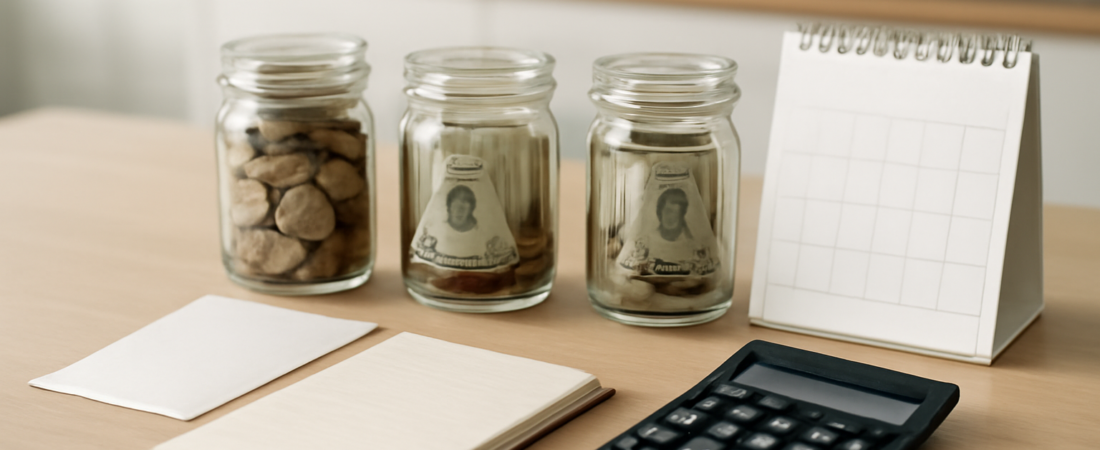
A Sinking Fund is one of the simplest ways to stop predictable expenses from feeling like emergencies. Instead of waiting for a big bill, holiday, trip, insurance premium, or car repair to hit your budget all at once, you save a small amount over time. Your Sinking Fund gives each planned expense a job before the money is needed.
This approach is useful for U.S. households because many costs are irregular, seasonal, or annual. You may know your car registration is coming, your child will need school supplies, or your family wants to travel for Thanksgiving. The beauty of a Sinking Fund is that it turns those future costs into monthly or biweekly savings goals that are easier to handle.
Below are 10 practical ways to build funds for planned expenses, plus a checklist you can use today.
What Is a Sinking Fund?
A Sinking Fund is money set aside gradually for a known or expected future expense. It is different from a general savings account because it has a clear purpose, target amount, and timeline.
For example, if you expect to spend money on holiday gifts in December, you can start saving in January, June, or September instead of trying to cover everything from one paycheck. The same idea works for annual insurance premiums, home maintenance, summer camp, professional dues, medical copays, subscriptions, pet care, and travel.
With a Sinking Fund, you are not trying to predict life perfectly. You are simply preparing for expenses that are likely enough to plan for. For broader consumer money guidance, the Consumer Financial Protection Bureau is a helpful official resource to review.
Why a Sinking Fund Works for Planned Expenses
A Sinking Fund works because it reduces pressure on your monthly budget. Many budgets fail not because everyday spending is wildly out of control, but because irregular costs are ignored until they arrive.
Think about car tires. You may not know the exact day you will replace them, but you can reasonably expect that car maintenance will happen. If you save a little each month, you are less likely to rely on a credit card balance, drain your emergency savings, or cancel other priorities.
This method also gives you permission to spend on things that matter. Saving for a vacation, wedding gift, or home project can feel more relaxed when the money was planned in advance.
10 Simple Ways to Build a Sinking Fund
Use these ideas to make your Sinking Fund practical, realistic, and easy to maintain.
1. List Your Predictable Expenses
Start by writing down expenses that do not happen every month but still come up regularly. Common categories include holidays, birthdays, car maintenance, home repairs, property-related costs, annual memberships, insurance premiums, back-to-school shopping, travel, and medical or dental expenses.
Look at last year’s bank and credit card statements if you are not sure what to include. You do not need a perfect list. Begin with the expenses that have surprised you most often, then add more categories as your system improves.
2. Give Every Sinking Fund a Clear Target
For each Sinking Fund, write down three things: what the money is for, how much you want to save, and when you need it. A vague goal like save for holidays is less useful than save $900 by December 1.
Once you have a target, divide the amount by the number of months or pay periods available. If your goal is $600 in six months, you need $100 per month. If you are paid every two weeks, you may choose a per-paycheck amount instead.
3. Keep Your Sinking Fund Separate
When your Sinking Fund sits in the same account as everyday spending money, it is easy to use it by accident. A separate savings account, sub-account, or labeled bucket can make the purpose clearer.
Some banks and credit unions allow you to nickname accounts or create savings categories. If yours does not, a simple spreadsheet or budgeting app can track the amounts. The key is to separate the money mentally, even if it is held in one account.
4. Automate Your Sinking Fund Contributions
Automation helps remove the need to make the same decision over and over. Set up an automatic transfer after payday so money moves before you spend it elsewhere.
If cash flow is tight, start with a small transfer. Even $10 or $25 per paycheck can create momentum. You can always increase the amount later when a debt is paid off, income rises, or another expense ends.
5. Match Savings to Your Pay Schedule
Monthly savings goals are useful, but many people manage money by paycheck. If that is true for you, convert goals into paycheck amounts.
For example, if you need $1,200 for an annual expense and you are paid twice a month, saving $50 per paycheck for 12 months gets you there. If you are paid biweekly, remember that some months may have an extra paycheck. Decide in advance whether that extra paycheck will help your planned expense goals, debt payoff, or emergency savings.
6. Prioritize by Deadline and Importance
You may not be able to fully fund every goal immediately. That is normal. Prioritize expenses that have firm due dates or serious consequences if missed, such as insurance premiums, essential car repairs, or required fees.
After that, fund flexible categories such as gifts, travel, decor, and entertainment. Flexible does not mean unimportant. It simply means you may be able to adjust the amount or timing if money is limited.
7. Use Windfalls Wisely
Tax refunds, bonuses, cash gifts, rebates, or extra paychecks can help you get ahead. Before spending the full amount, consider assigning part of it to upcoming planned expenses.
This does not have to be all-or-nothing. You might use a portion for fun, a portion for debt, and a portion for planned costs. The goal is to reduce future stress, not remove every enjoyable choice.
8. Protect the Money From Impulse Spending
Planned savings can disappear quickly if it is too easy to access. If you often move money back into checking for nonessential purchases, add friction.
Options include using a savings account at a different bank, removing the account from your debit card, or setting a 24-hour waiting rule before transferring money. Make the money accessible enough for its purpose, but not so convenient that it becomes everyday spending cash.
9. Review and Adjust Monthly
Your first estimate may be wrong, and that is okay. Prices change, plans change, and priorities change. A monthly review helps you catch shortfalls early.
Ask yourself: Is the target still realistic? Is the deadline still accurate? Did a new planned expense appear? Did you spend from the fund and need to rebuild it? A short review can prevent small issues from becoming major budget problems.
10. Spend Without Guilt, Then Reset
The point of planned savings is to use the money when the expense arrives. If you saved for holiday gifts, car registration, or a family trip, spending that money is not a setback. It is the plan working.
After you spend, reset the goal if it will happen again. Annual expenses are especially easy to restart because you usually know the next deadline. For more household money ideas and practical life planning topics, you can also visit Life Knowledge Notes.
Sinking Fund Checklist
Use this quick checklist to set up your system this week:
- Write down 5 to 10 planned expenses that tend to surprise your budget.
- Choose your top three categories to start with.
- Set a target amount and deadline for each category.
- Divide the target by the number of months or paychecks remaining.
- Open or label a separate savings space for the money.
- Schedule automatic transfers after payday.
- Review balances once a month.
- Adjust targets when your plans or costs change.
- Use the money only for its assigned purpose.
- Restart recurring goals after you spend them.
Examples of Planned Expenses to Save For
If you are unsure where to begin, choose categories that fit your real life. A family with children may focus on school expenses, sports fees, birthdays, and holiday travel. A homeowner may prioritize repairs, lawn care, appliance replacement, and seasonal utility costs. A renter may save for moving costs, deposits, furniture, and annual subscriptions.
Drivers often benefit from planned savings for tires, oil changes, registration, parking permits, and insurance deductibles. Pet owners may set aside money for vet visits, grooming, boarding, and medications. Self-employed workers may need separate planning for taxes, software, equipment, professional services, and slower income months. For tax-related questions, check current information directly with official sources or a qualified tax professional.
Common Mistakes to Avoid
Saving for Too Many Goals at Once
It is tempting to create a category for everything. But if your income is limited, spreading money across too many goals can feel discouraging. Start small. Fully funding three important categories is often better than barely funding twelve.
Forgetting Annual Costs
Annual bills can be budget wreckers because they do not show up every month. Review subscriptions, memberships, insurance bills, professional licenses, and seasonal costs. If a bill repeats every year, it deserves a plan.
Using Emergency Savings for Planned Costs
An emergency fund is for unexpected events. Planned costs are different. If you use emergency savings for predictable expenses, you may not have enough when a true emergency happens. Separate goals help protect both types of savings.
Not Updating the Target
If your old holiday budget was $700 but your real spending has been closer to $1,000, update the number. A realistic target is more useful than a hopeful one. You can also lower the spending plan if saving the higher amount is not practical.
How to Start Today With a Small Budget
You do not need a high income to begin. Choose one upcoming expense and save a manageable amount. If your first goal is $300 for car maintenance, try setting aside $25 every two weeks. If that is too much, start with $10. The habit matters.
Next, redirect small savings when possible. Canceling an unused subscription, eating one fewer takeout meal, or using a cash gift intentionally can help. Avoid relying on unrealistic cuts that make your budget feel impossible. Sustainable progress is better than a plan you abandon after one month.
If your budget has no room at all, review essentials, debt payments, income options, and assistance resources carefully. For financial, legal, tax, or insurance decisions, confirm current rules and options with official sources or qualified professionals.
Conclusion
A Sinking Fund helps you prepare for expenses you can see coming. It will not solve every money challenge, but it can reduce stress, protect your emergency savings, and make your budget feel more honest.
Start with one planned expense, set a clear target, automate a small contribution, and review it monthly. Over time, this simple habit can turn big bills into manageable steps and help you spend with more confidence.
Leave a Reply