Latest posts
-
Emergency Fund on a Tight Budget: 9 Practical Steps to Start Saving
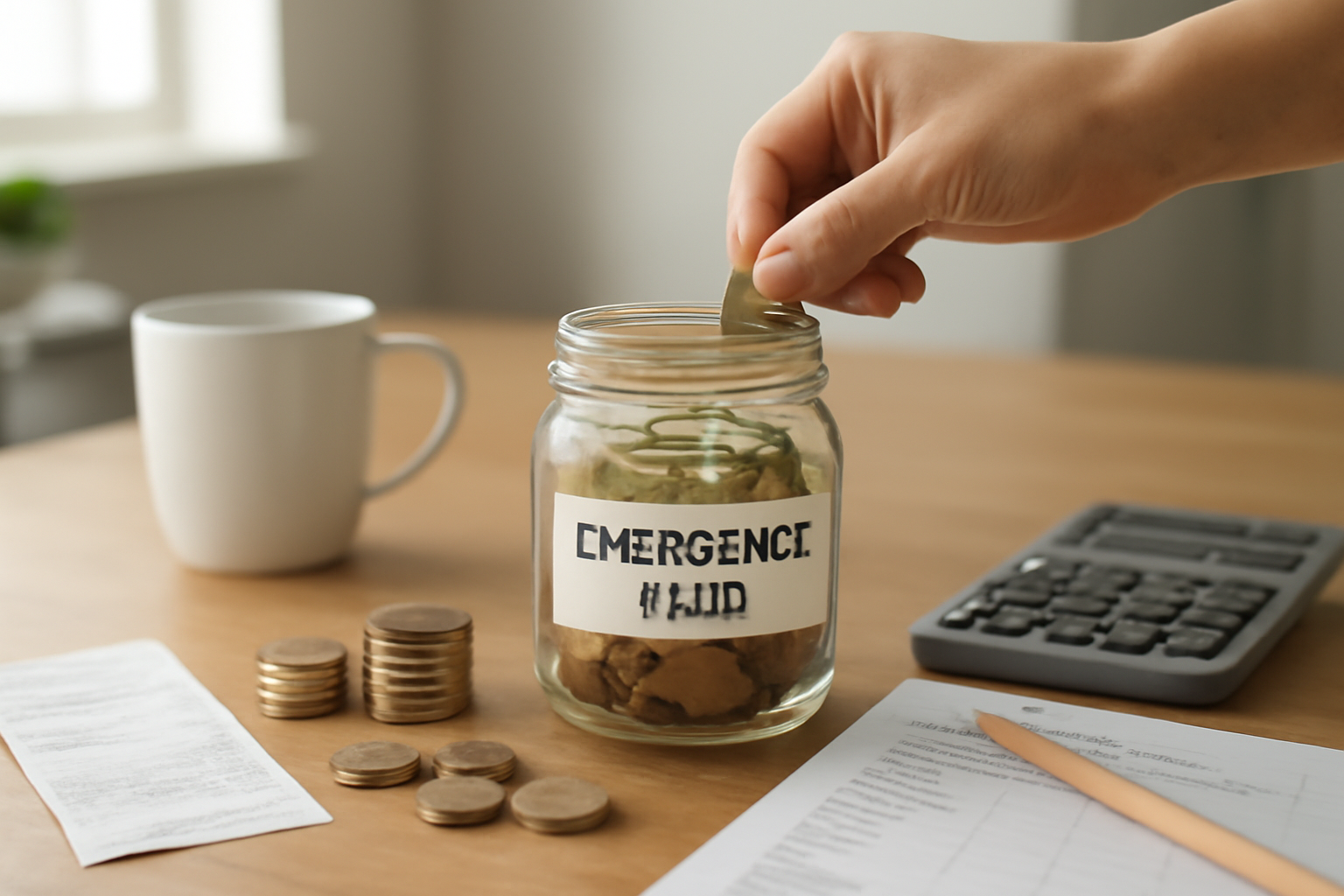
Learn practical ways to start and grow emergency savings even when money is tight, with simple steps you can use this week.
-
Lower Your Home Insurance Premium: 12 Smart Ways to Save

Practical ways U.S. homeowners can review coverage, compare quotes, use discounts, and reduce risk to help manage insurance costs.
-
Save Money on Gas: 10 Practical Tips for U.S. Drivers
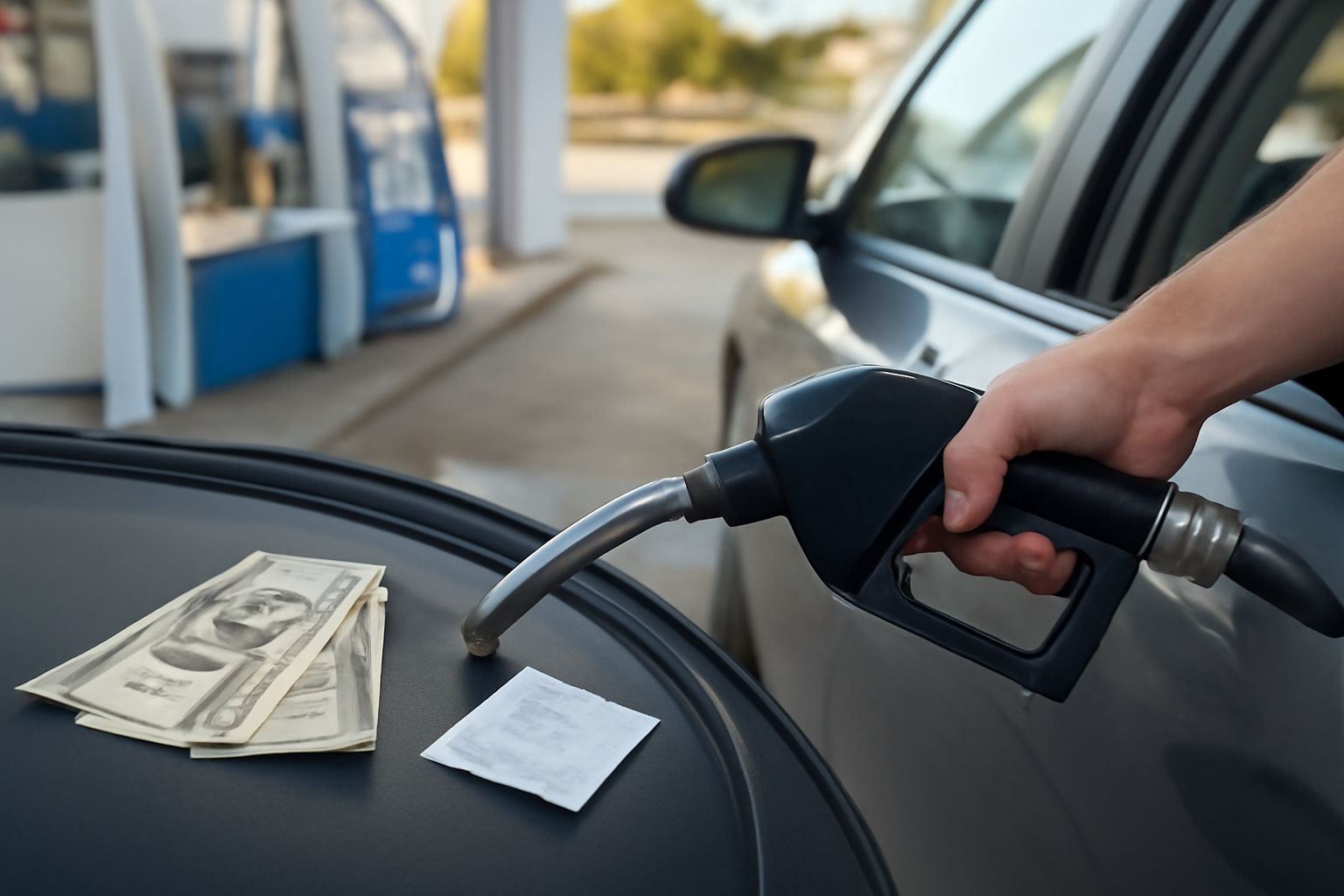
Use these practical driving, maintenance, planning, and payment tips to reduce fuel costs without making your everyday routine harder.
-
Lower Your Grocery Bill: 12 Practical Ways to Save Money

A practical guide to saving on groceries with meal planning, smarter shopping, pantry habits, and simple budgeting moves for U.S. households.
-
avoid bank fees: 12 Practical Ways to Keep More of Your Money

Learn practical ways to reduce monthly maintenance fees, overdraft charges, ATM costs, transfer fees, and other common U.S. banking expenses.
-
cancel unused subscriptions: 9 Smart Ways to Stop Wasting Money

A practical U.S. guide to spotting recurring charges, deciding what to keep, and canceling subscriptions without losing track of your money.
-
Reduce Internet Bill: 12 Practical Ways to Pay Less in the U.S.
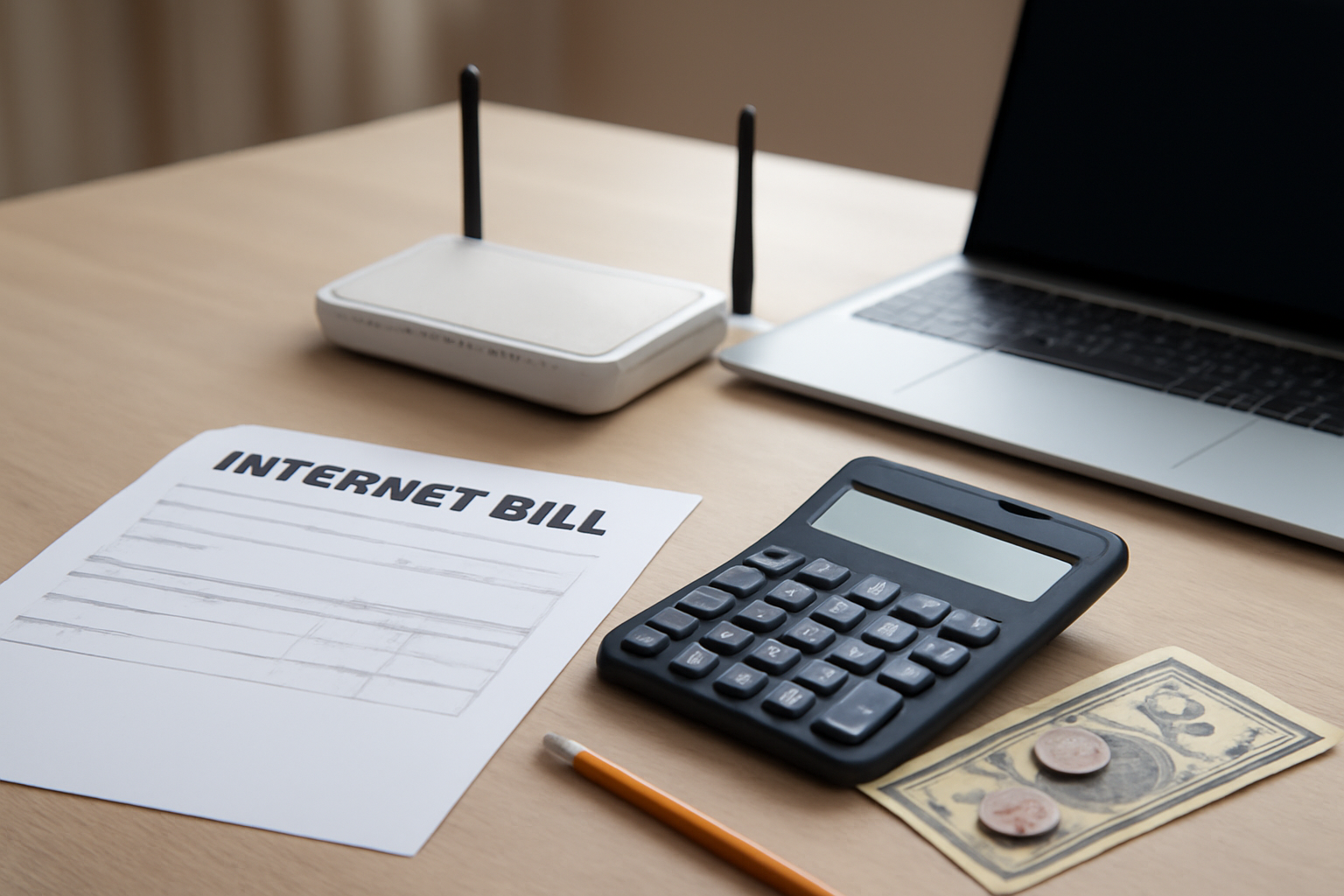
Learn practical ways to cut your monthly internet costs, compare plans, negotiate with providers, reduce equipment fees, and avoid paying for speed you do not need.
-
lower cell phone bill: 15 Practical Ways to Save in the U.S.

A practical U.S. guide to cutting wireless costs by reviewing data usage, switching plans, avoiding fees, using discounts, and negotiating smarter.
-
Car Insurance Savings: 10 Practical Ways to Lower Your Premium in the U.S.
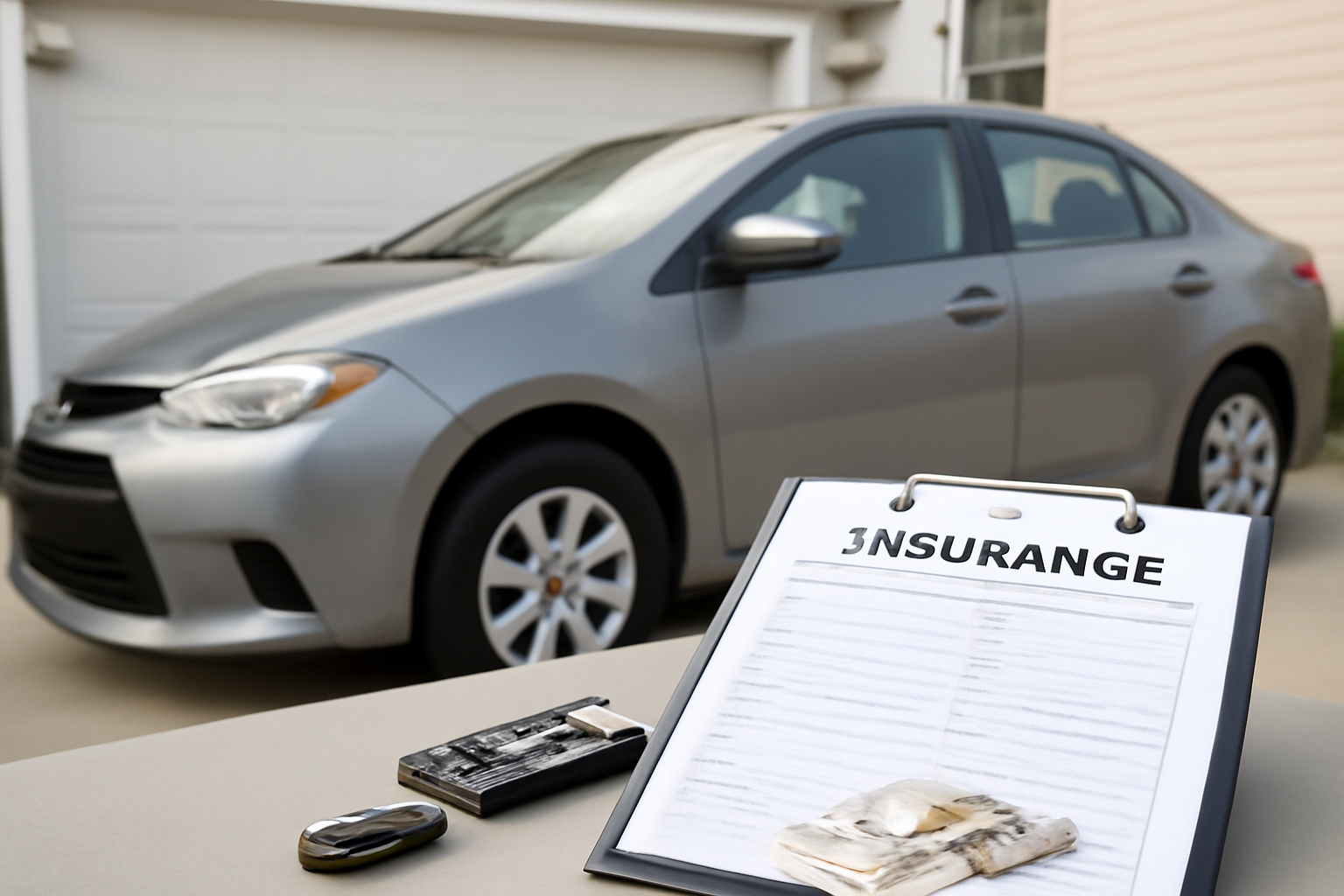
Use these 10 practical strategies to compare policies, find discounts, adjust coverage, and reduce your auto insurance bill without guessing.
-
How to Save Money on Bills: 15 Practical Ways to Save Money in the U.S.

Learn practical ways to lower monthly bills in the U.S. by reviewing utilities, insurance, subscriptions, debt, groceries, and everyday spending.