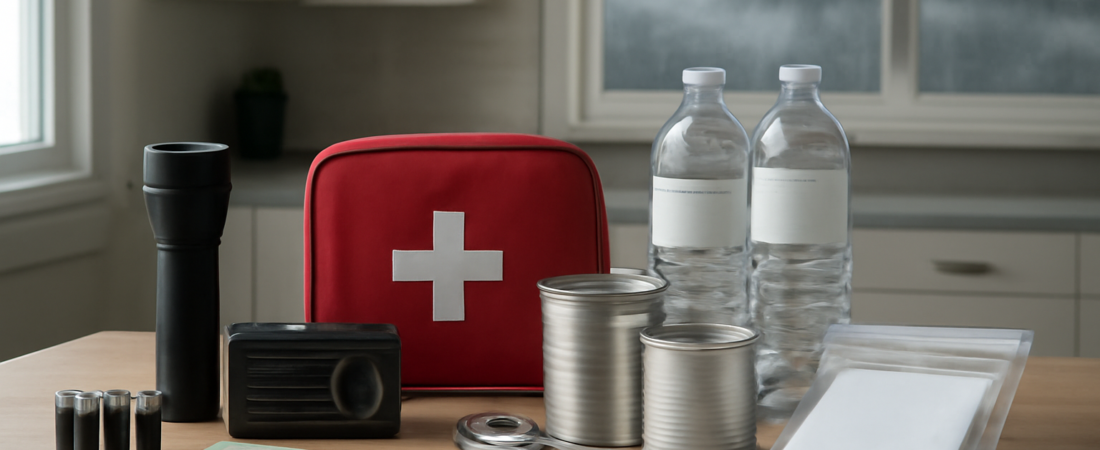
A hurricane preparedness checklist is one of the simplest ways to turn storm anxiety into a practical plan. Hurricanes can bring dangerous wind, flooding, power outages, closed roads, and limited access to stores or medical services. Preparing before a storm watch is issued helps your household make calmer decisions when time matters.
This guide focuses on 12 essentials every U.S. household should consider, whether you live on the Gulf Coast, the Atlantic Coast, in Puerto Rico, Hawaii, or in an inland area that can still experience flooding and prolonged outages from tropical systems. Needs vary by household, so use this as a starting point and adjust for children, older adults, pets, medical conditions, apartment living, and local evacuation guidance.
Why a Hurricane Preparedness Checklist Matters
Hurricanes are not just coastal wind events. They can disrupt electricity, water service, transportation, cell networks, pharmacies, gas stations, and grocery supply chains. A written hurricane preparedness checklist helps you see what you already have, what is missing, and what should be updated before the season begins.
The best time to prepare is when skies are clear. If a storm is approaching, stores may run low on batteries, water, shelf-stable food, plywood, flashlights, and fuel. Preparing early also gives you time to compare options, avoid rushed purchases, and make sure everyone in your home understands the plan.
For broad federal information and links to public services, you can also review resources at USA.gov. Always follow current instructions from your local emergency management office, National Weather Service alerts, and state or county officials.
The 12-Item Hurricane Preparedness Checklist
Use this hurricane preparedness checklist to build a practical home kit. Store supplies where they are easy to reach, and keep evacuation items in a bag or bin that can be moved quickly.
1. Safe Drinking Water
Water is the first priority. Plan for drinking, basic hygiene, preparing shelf-stable meals, brushing teeth, and caring for pets. Many emergency guides use at least several days of water as a starting point, but households in areas prone to long outages may choose to store more if space allows.
Use clean, sealed containers. If you buy bottled water, check dates and rotate it periodically. If a storm is approaching, you can also fill clean pitchers, bottles, and approved water containers. Avoid relying only on tap water after flooding or service disruptions unless local officials say it is safe.
2. Shelf-Stable Food for Every Person
Choose foods that do not require refrigeration, complicated cooking, or a lot of water. Good options include canned beans, tuna, chicken, soups, nut butters, crackers, granola bars, dried fruit, shelf-stable milk, ready-to-eat meals, and infant formula if needed.
Think about dietary restrictions, allergies, diabetes-friendly foods, and foods that children will actually eat. Add a manual can opener, disposable plates if water may be limited, and basic utensils. Rotate supplies into normal meals before they expire so nothing goes to waste.
3. Flashlights, Lanterns, and Extra Batteries
Power outages are common during severe storms. Flashlights and battery-powered lanterns are safer than candles because they reduce fire risk. Keep one light source near each sleeping area and another in your main gathering space.
Check battery sizes before you buy extras. Consider rechargeable battery packs if you can charge them before the storm, but do not depend entirely on rechargeable devices if outages could last for days. Headlamps are especially useful because they keep your hands free.
4. Battery-Powered or Hand-Crank Radio
Cell service and internet access may be unreliable during or after a hurricane. A battery-powered or hand-crank radio can help you receive official weather alerts, evacuation updates, boil water notices, shelter information, and road closure details.
If your radio has NOAA weather alert capability, learn how to use it before storm season. Keep batteries in the same container as the radio, but check them regularly to prevent corrosion. A small radio can be one of the most valuable items in an outage.
5. First Aid Kit and Basic Health Supplies
A first aid kit should include bandages, antiseptic wipes, gauze, tape, tweezers, disposable gloves, pain relievers, a thermometer, and any other basic items your household may need. Include masks, hand sanitizer, insect repellent, sunscreen, and hygiene supplies if you may be without normal services.
If anyone in your home takes prescription medication, talk with your pharmacist or health care provider about how to avoid running out during hurricane season. Do not wait until the last day before a storm to request refills. Keep a written list of medications, doses, allergies, doctors, and pharmacy contact information.
6. Important Documents and Digital Backups
Storm recovery is much easier when your essential documents are protected. Store copies of IDs, insurance policies, home or lease documents, vehicle titles, medical information, pet vaccination records, and emergency contacts in a waterproof folder or pouch.
Also consider encrypted digital backups stored securely in the cloud or on a password-protected drive. Take photos or video of your home and major belongings before a storm, if it is safe to do so. These records may be useful for insurance claims, but always check your policy and contact your insurer for current requirements.
7. Cash and Payment Backup
ATMs, card readers, and banks may be unavailable after a major storm. Keep a reasonable amount of cash in small bills in your emergency kit, based on your comfort level and household needs. Small bills can be helpful if local stores reopen but electronic payments are down.
Do not store all emergency money in one place if that creates a security concern. Keep credit cards, debit cards, and ID together in your go-bag, and make sure trusted adults know where emergency payment items are located.
8. Phone Chargers and Power Banks
Your phone may become your map, flashlight, emergency contact list, camera, news source, and insurance documentation tool. Charge all devices before the storm arrives. Add charging cords, wall adapters, car chargers, and fully charged power banks to your kit.
To conserve power during an outage, dim your screen, close unused apps, download offline maps, and use text messages when calls do not go through. If you use a medical device that requires power, contact your utility, doctor, or local emergency management office ahead of time to discuss backup options.
9. Evacuation Go-Bag
Even if you plan to shelter at home, evacuation orders can change quickly. A go-bag should include clothing, toiletries, medications, copies of documents, cash, chargers, snacks, water, comfort items for children, and pet supplies if applicable.
Pack sturdy shoes and weather-appropriate clothing. If you rely on public transportation, paratransit, rides from family, or community evacuation services, make those arrangements before a storm is close. Know multiple routes because flooding or debris can close roads.
10. Tools and Home Safety Supplies
Basic tools can help you secure your home before a storm and handle minor issues afterward. Consider work gloves, a wrench or pliers, duct tape, a tarp, plastic sheeting, rope, a utility knife, trash bags, and a whistle. If local officials recommend shutting off utilities in specific situations, learn how to do that safely in advance.
Never use a generator indoors, in a garage, or near open windows or doors. Carbon monoxide is dangerous and can be deadly. If you own a generator, read the manufacturer instructions, use it only in a safe outdoor location, and install carbon monoxide alarms according to product guidance.
11. Pet and Service Animal Supplies
Pets need their own place in your hurricane preparedness checklist. Pack food, water, bowls, medications, leashes, carriers, litter, waste bags, vaccination records, and a current photo. Make sure collars and microchip information are up to date.
Before storm season, identify pet-friendly lodging, shelters, or friends outside the risk area. Do not assume every public shelter accepts pets. Service animals have different rules than pets, but it is still wise to bring documentation, supplies, and any equipment your animal needs.
12. Cleaning, Sanitation, and Comfort Items
After a storm, sanitation can become a major challenge. Include moist wipes, toilet paper, soap, hand sanitizer, disinfecting supplies, heavy-duty trash bags, menstrual products, diapers, and any incontinence supplies needed in your household.
Comfort items matter too. Books, cards, small games, earplugs, a notebook, and familiar items for children can reduce stress during long waits. If you have older adults or people with sensory needs in your home, pack items that help them stay calm and comfortable.
How to Store Your Hurricane Preparedness Checklist Supplies
Keep your hurricane preparedness checklist supplies in a cool, dry location that is easy to access. Clear bins or labeled containers can save time. If your area is prone to flooding, avoid storing critical supplies directly on the floor or in a low garage corner.
Separate your supplies into two groups: shelter-in-place items and evacuation items. Shelter-in-place supplies can be heavier and stored at home. Evacuation items should fit in bags or containers that can be carried to a car, bus, shelter, or hotel.
Check your kit at least before hurricane season and again during peak season. Replace expired food, dead batteries, outdated documents, outgrown clothing, and old medications according to safe disposal guidance. A calendar reminder can make this easy.
Household Planning Beyond the Hurricane Preparedness Checklist
The best hurricane preparedness checklist is not only about supplies. It also includes decisions. Make a communication plan so everyone knows who to call, where to meet, and what to do if phones stop working. Choose an out-of-area contact who may be easier to reach than someone nearby.
Know your evacuation zone if your community uses them. Write down local emergency numbers, shelter information, school closure sources, workplace policies, and utility company contacts. If you live in an apartment or condo, ask management about generator policies, elevators, flood procedures, and emergency notices.
Review your insurance before a storm is on the map. Standard homeowners or renters insurance may not cover every type of flood damage. Coverage details vary, so check directly with your insurer or agent and use official sources for current policy information. Take inventory photos when conditions are calm and safe.
If you want more practical home and daily-life planning ideas, visit New York Life Book for additional household tips and checklists.
Quick Hurricane Preparedness Checklist for Last-Minute Action
Use this compact hurricane preparedness checklist when a storm may affect your area. Do not wait for the final forecast track before acting, especially if local officials warn that conditions could become dangerous.
- Fill clean water containers and charge phones, power banks, and medical devices.
- Bring in patio furniture, trash cans, grills, decorations, and anything that could become windborne debris.
- Refill prescriptions if appropriate and allowed, and place medications in your go-bag.
- Move vehicles to higher ground if flooding is possible and it is safe to do so.
- Place important documents in a waterproof pouch.
- Set refrigerators and freezers to colder settings before outages, if recommended by your appliance guidance.
- Download offline maps and save emergency contacts to your phone and on paper.
- Follow evacuation orders promptly; do not drive through flooded roads.
- Text family or friends your location and plan.
- Check on neighbors, especially older adults or people who may need assistance, if it is safe.
Common Mistakes to Avoid
Waiting Until the Forecast Is Certain
Hurricane tracks and impacts can change. Waiting for perfect certainty can leave you with crowded stores, fuel shortages, or too little time to evacuate. Prepare based on the possibility of impacts in your area and official local guidance.
Forgetting Special Household Needs
A general kit may not cover medical devices, mobility aids, baby supplies, language access needs, dietary restrictions, or pet care. Personalize your supplies before storm season so you are not trying to solve complex problems during an emergency.
Relying Only on Your Phone
Phones are helpful, but batteries die and networks can fail. Keep paper copies of addresses, phone numbers, medication lists, insurance contacts, and evacuation information. A simple notebook in your go-bag can be a lifesaver.
Ignoring Flood Risk
Many hurricane deaths and injuries are connected to water, including storm surge, inland flooding, and flooded roads. Never assume a familiar street is safe if water covers it. Follow local warnings and avoid unnecessary travel during and after the storm.
Conclusion: Prepare Early and Review Often
A hurricane preparedness checklist cannot prevent a storm, but it can help your household respond with more confidence. Start with water, food, light, communication, health supplies, documents, cash, charging options, an evacuation bag, tools, pet supplies, and sanitation items.
Review your hurricane preparedness checklist before each season, after any major life change, and whenever supplies expire. The goal is not perfection. The goal is to make practical decisions early, protect the people and animals who depend on you, and be ready to follow official guidance when a storm threatens your community.
Leave a Reply